Clear arrival times
We keep you posted on when to expect us.
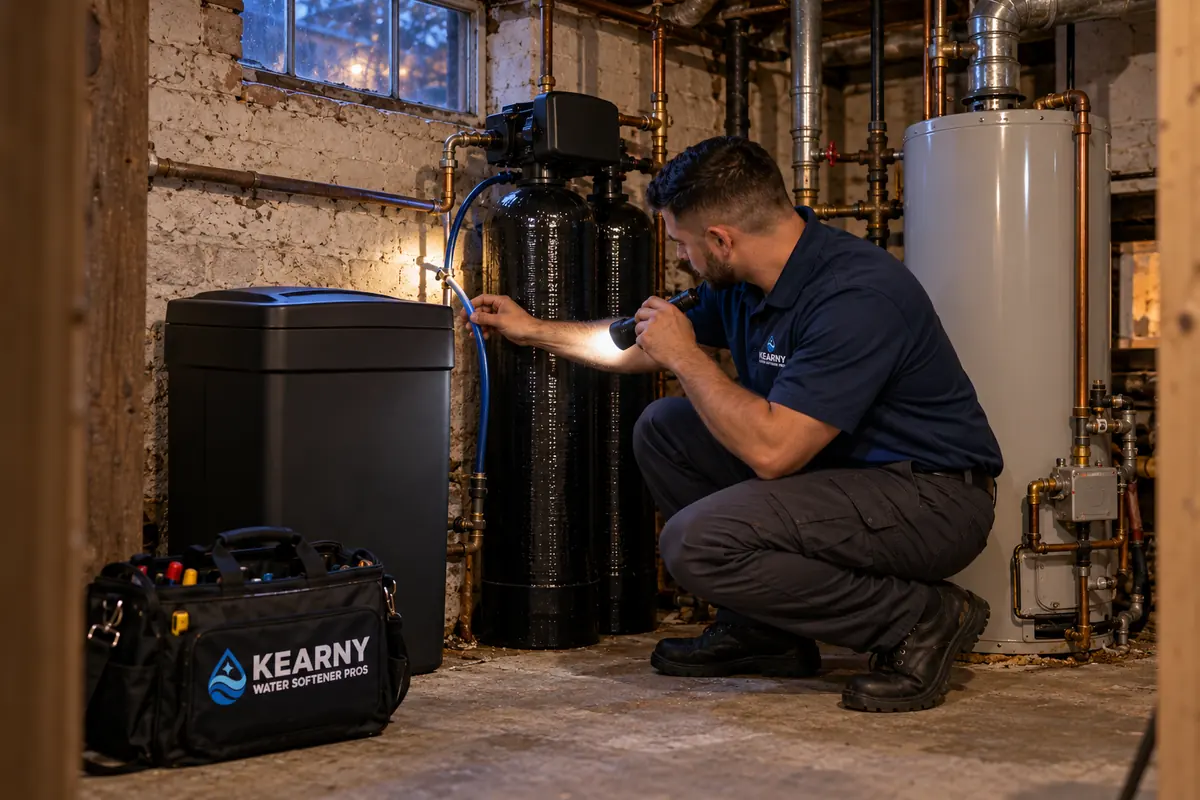
Water softener troubleshooting in Kearny, NJ gets your system working again when hard water returns or the unit acts up. Our technicians find resin degradation, salt bridging, and control valve faults quickly for homes and businesses, 24/7. Call now to restore soft water and avoid costly damage.
We keep you posted on when to expect us.
Review the approach and price before deciding.
Equipped vehicles and respectful cleanup.
Neighbors helping neighbors, from the first call to the final check.
A troubleshooting visit covers a detailed inspection and diagnostic testing of your system's components. Add-ons like resin replacement or control valve repair are priced separately. We evaluate the whole system before recommending any fix.
Checking for salt bridging and pellet quality to ensure proper regeneration cycles.
Evaluating ion exchange resin condition and bead degradation affecting softening efficiency.
Diagnosing valve function and flow meter accuracy to maintain water flow and regeneration timing.
Using water hardness test kits to measure system performance before and after service.
Adjusting settings to optimize salt use and regeneration cycles based on diagnostics.
Tell us what is happening and a local water treatment technician will give you a clear next step, day or night.
Water softener troubleshooting in Kearny, NJ is a technical service that identifies and resolves issues affecting water conditioning systems, such as salt bridging, resin tank problems, and control valve malfunctions. This service keeps your ion exchange resin performing well and your water softening efficiently.
Most calls start with one symptom: hard water is back, the brine tank is full of water, the salt level never drops or the unit will not stop running. Homes on the Kearny town supply get treated reservoir water, so when soft water stops, the cause is usually inside the softener: a salt bridge, a clogged injector, a valve stuck between cycles or settings lost after a power outage. A troubleshooting visit finds which one before any part is replaced, for homes and businesses across Kearny.
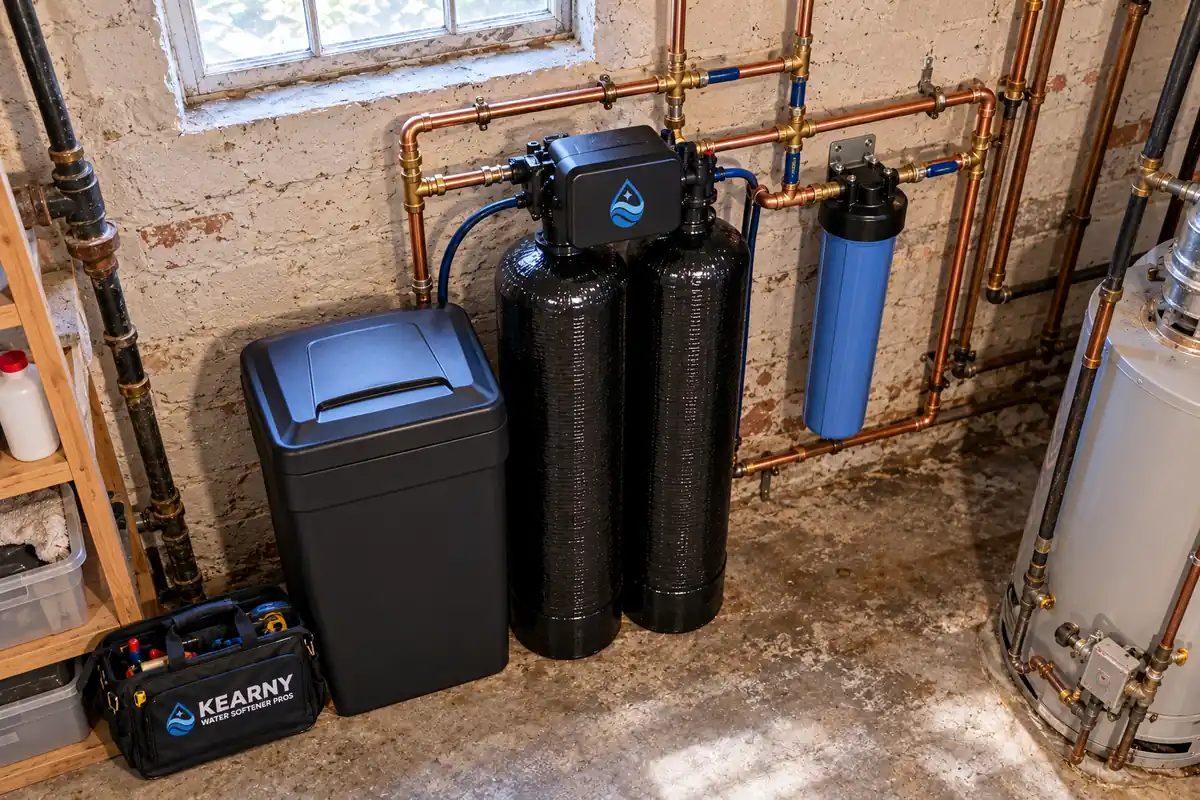
A licensed technician inspects the water softener, checking the brine tank, resin tank, and control valve. This step takes 30-45 minutes and includes hardness testing with a water hardness test kit.
Using flow meters and a brine injector check, we assess salt bridging, resin condition, and pressure levels. Diagnostic testing typically takes 1-2 hours and guides targeted repairs.
We pinpoint issues such as resin bead degradation or control valve malfunction, then plan a fix that meets local plumbing code and restores water quality.
Repairs may include clearing salt bridges, replacing resin, or recalibrating control valves. Most repairs are completed within 3-4 hours, minimizing water service interruption.
Post-repair, we perform a final water hardness test and system check to confirm restored performance. Customers receive maintenance advice to prevent future issues.
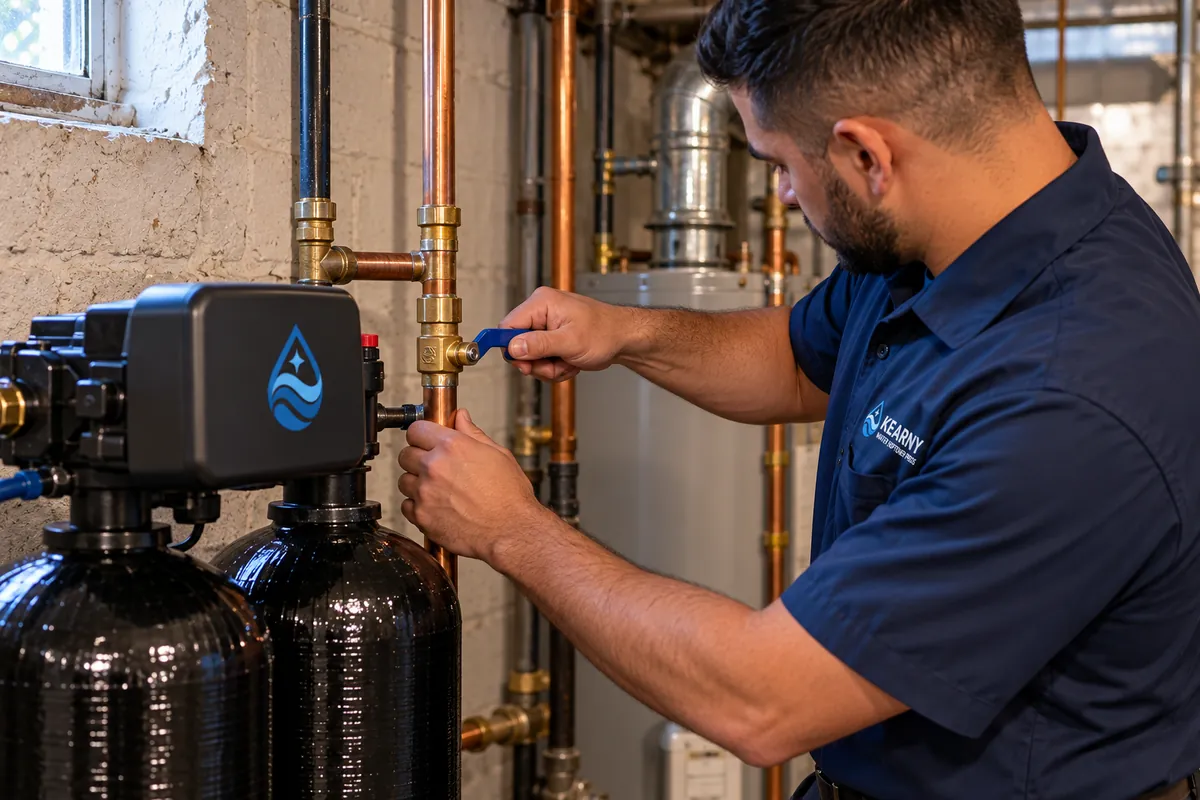
Inspected for salt bridging and pellet quality affecting regeneration cycles.
Measures hardness levels before and after repairs to verify system performance.
Checks water flow rates and control valve operation for accurate regeneration timing.
Tested and calibrated to ensure proper system cycling and water softening.
Assessed for bead degradation and replaced when softening capacity declines.
Confirms the softener still delivers the hardness reduction its NSF/ANSI 44 rating calls for.
Verifies water efficiency and system calibration to minimize salt and water waste.
Specialized mechanical clearing of compacted salt to restore brine flow and regeneration.
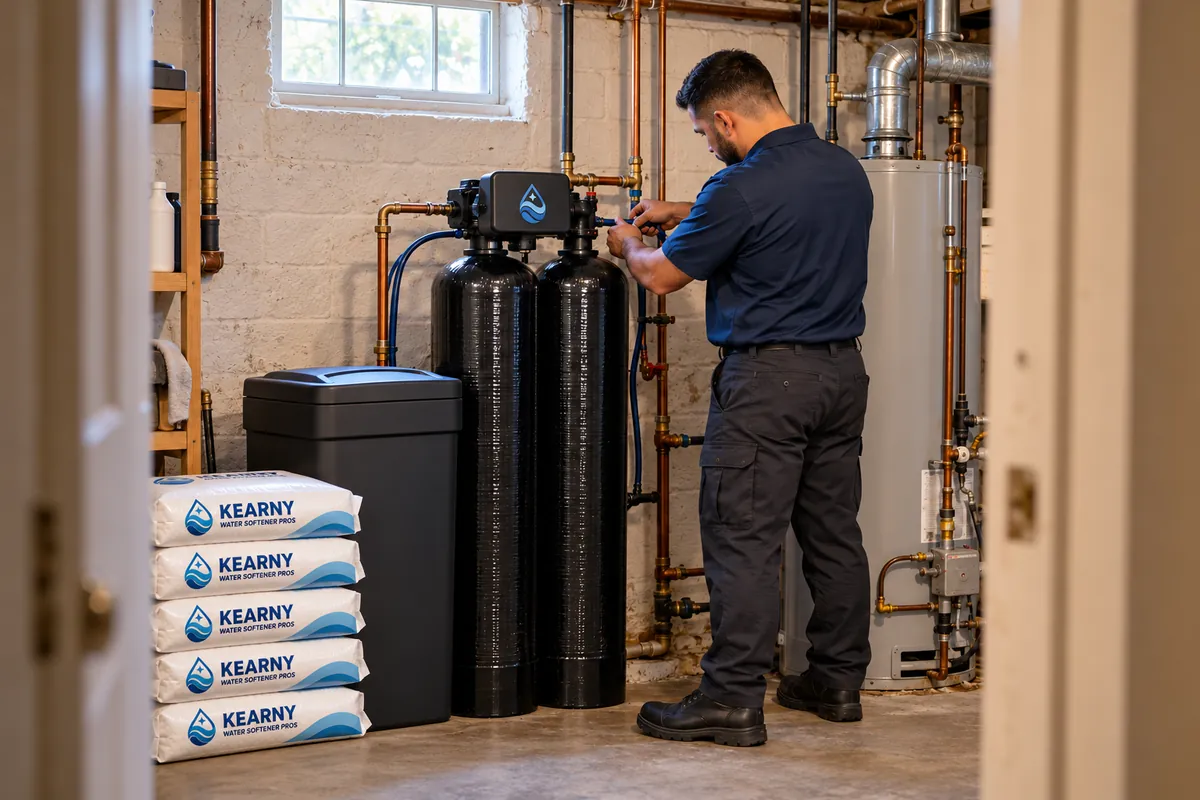
We troubleshoot the home's softener and check the resin tank and settings. The spots stop, and water hardness drops to under 2 grains per gallon.
Our technicians identify salt bridging and control valve faults. Water flow is restored, preventing equipment damage and downtime.
Our emergency troubleshooting team locates a cracked resin tank and replaces it promptly. The leak is stopped, and soft water supply resumes.
Kearny's town water comes from the North Jersey District Water Supply Commission, mainly the Wanaque and Monksville reservoirs, and is filtered and treated at the commission's plant in Wanaque before it reaches local mains. The town's 2024 water quality report did not detect iron or manganese, and the water carries a chlorine disinfectant residual. That shapes how we troubleshoot: on town water, hard water coming back usually points to the softener itself, rust stains usually point to pipes or a water heater inside the building, and resin that breaks down after many years is more often chlorine wear than iron fouling. You can read the yearly report on the Town of Kearny Water Department page, or ask us for a water test at your tap.
On town water this is almost always mechanical: no brine draw, a bypass left open, a clock reset by a power cut or worn resin. We check them in that order.
Iron was not detected in the town supply in 2024, so we look at galvanized pipe, the water heater and the fixtures before blaming the softener. Iron removal is only suggested when a tap test shows iron.
Softeners that share space with the water heater and a floor drain get a check of the drain line, the air gap and the brine overflow tube along with the unit.
In older houses that have had several rounds of plumbing work, mixed pipe materials and old shutoff valves can look like softener faults, so we rule them out first.
The brine tank was clogged with hardened salt, preventing regeneration and causing hard water scale buildup.
After clearing the salt bridge and recalibrating the control valve, water hardness dropped from 12 to 2 grains per gallon within 24 hours.
Maintenance: Monthly brine tank checks and high-purity salt pellets reduce the chance of another salt bridge.
Worn resin let hard water through, leaving scale on fixtures and spots on glasses, with hardness levels above 10 grains per gallon.
Replacing the ion exchange resin restored water softness to under 3 grains per gallon, and the spots and scale stopped.
Maintenance: Annual resin tank checks and cleaning extend resin life and maintain water quality.
A malfunctioning control valve caused leaks and inconsistent regeneration cycles, disrupting the water supply.
Valve replacement and system recalibration restored steady water flow and proper regeneration timing within 4 hours.
Maintenance: Scheduled quarterly valve inspections prevent unexpected failures.
Troubleshooting targets the frequent issues that degrade system performance and water quality. Early diagnosis prevents costly damage and restores efficient softening.
Salt bridges block brine flow, leading to hard water and increased scale buildup in pipes and appliances. We break up salt bridges with specialized tools and recommend high-purity salt pellets to reduce recurrence, restoring proper regeneration cycles quickly.
Worn resin beads lose their ion exchange ability, causing high water hardness and scale that damages fixtures. Our water softener repair and troubleshooting service in Kearny includes resin replacement and cleaning to restore softening efficiency and water clarity.
Faulty control valves cause leaks, incorrect regeneration timing, and low water pressure, affecting household water supply. We run diagnostic tests on control valves and repair or replace them, ensuring reliable system control.
Some causes take two minutes to rule out yourself. Others need a technician with a test kit. Here is how we read the most common symptoms in Kearny homes.
Many control valves lose the time of day after an outage, so regeneration runs at the wrong hour or not at all. Check the clock on the display. If it is right and the water is still hard, call us.
Usually a salt bridge, a crust above the water that keeps salt from dissolving. Push gently with a broom handle. If the salt drops but the water stays hard, the brine injector or brine line is next.
The softener is not drawing brine, or the refill is not shutting off. A plugged injector, a kinked drain line or a stuck float are common causes, and parts replacement usually fixes it.
A valve stuck mid-cycle or a worn piston seal can send water down the drain for hours. Turn the unit to bypass and call, since it wastes water and can overwhelm a slow floor drain.
The rinse did not finish, often because of a slow drain line, a wrong salt setting or too much water in the brine tank. Settings are corrected during calibration and optimization.
Small amber beads at the taps mean a cracked distributor tube or a failed screen inside the tank. That is a repair at the tank, often together with resin replacement.
Still not sure? Call (201) 365-5543 any time and describe what you see, and the technician can tell you what to check while you wait. For worn units that need more than a fix, see repair and maintenance.
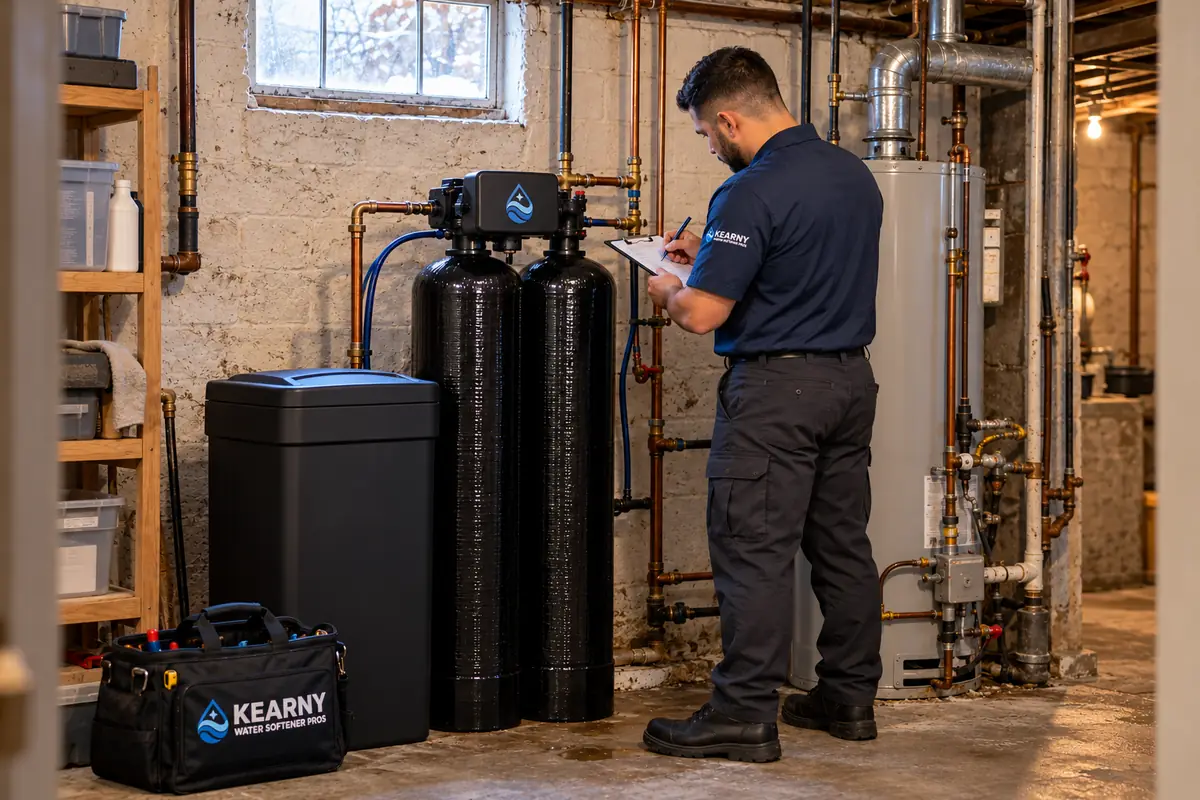
Our team is licensed and insured and trained in OSHA safety practices, for safe, code-compliant water softener troubleshooting in Kearny, NJ. We handle everything from residential systems to commercial setups with precision.
Sometimes a softener is clearly doing something wrong, but it's hard to say what. These are the odd behaviors Kearny homeowners describe when they call for troubleshooting.
Hearing one of these at your place? Call (201) 365-5543. We answer 24/7.
Common issues include salt bridging, resin bead degradation, control valve malfunctions, and hard water scale buildup. These problems reduce efficiency and can cause leaks or low water pressure if not addressed promptly.
Start by checking the brine tank for salt bridges and the resin tank for resin condition. Use a water hardness test kit to verify performance. For complex problems, a professional troubleshooting visit in Kearny gives you an accurate assessment.
Yes. We provide complete water softener diagnostics in Kearny, NJ, using flow meters, control valve tests, and hardness analysis to identify and solve system issues efficiently.
Yes. Regular troubleshooting of residential systems in Kearny detects early signs like salt bridging and resin degradation, so you avoid expensive repairs or a full system replacement.
Salt in the tank does not mean salt is dissolving. A salt bridge, a clogged injector, a bypass valve left partly open or a clock reset by a power outage are the usual causes. If none of those is the problem, the resin may be worn out and need replacing.
Usually not on its own. The Town of Kearny's 2024 water quality report did not detect iron or manganese in the town supply, so rust stains in a home on town water usually come from old galvanized pipes or a water heater. A test at the tap shows where it starts.
If it is leaking, draining nonstop or sending salty water to the taps, turn the bypass valve to bypass so the house still has water. Leave it plugged in unless water is near the outlet, and tell the technician what the display shows.
Not seeing your question? Call our local team 24/7 to talk through urgency, timing, and what to expect.
Call our local team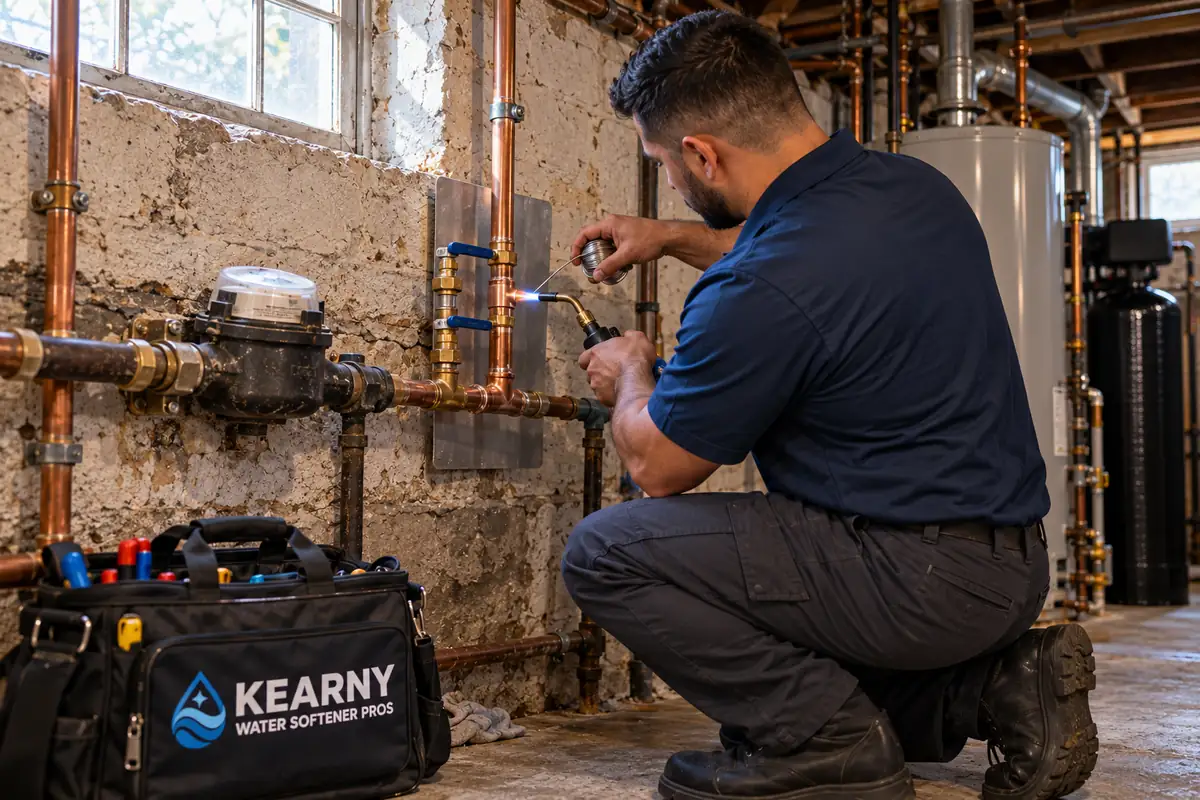
Proper installation ensures your new system operates without issues, reducing the need for troubleshooting and extending system life.
View service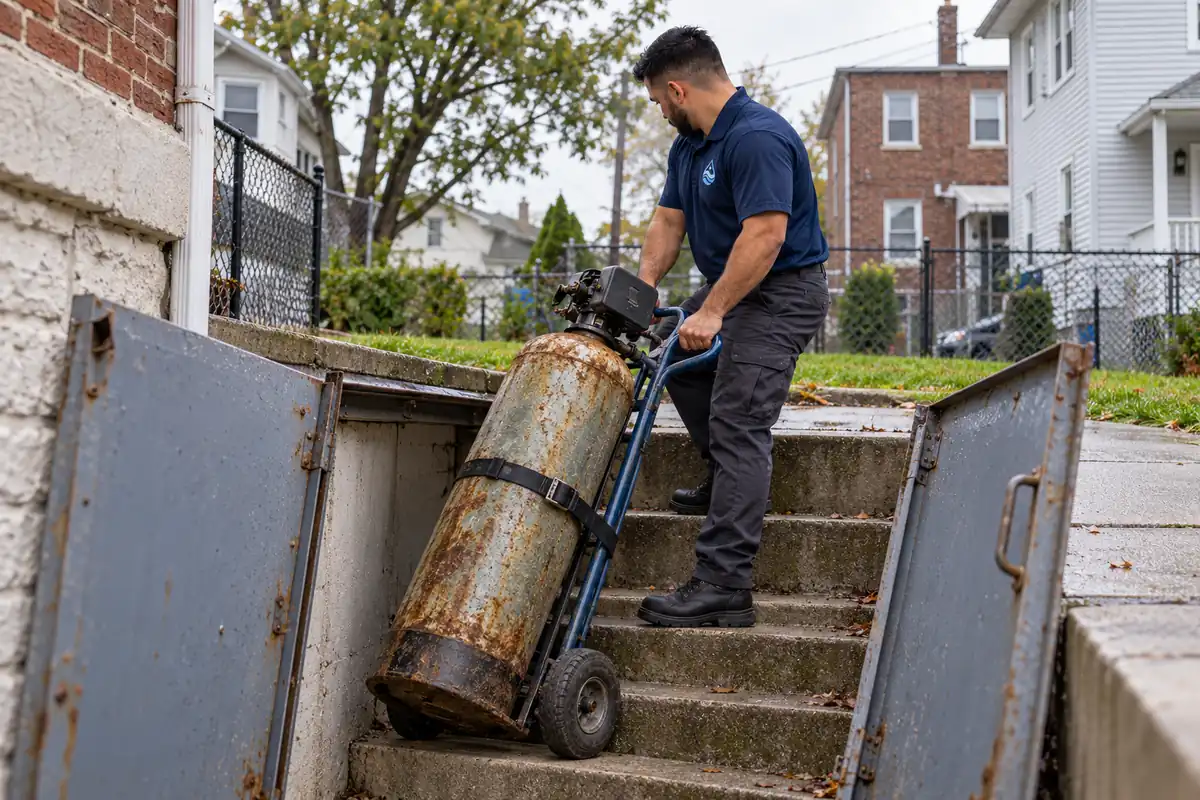
Upgrading components can resolve persistent problems identified during troubleshooting, improving efficiency and water quality.
View service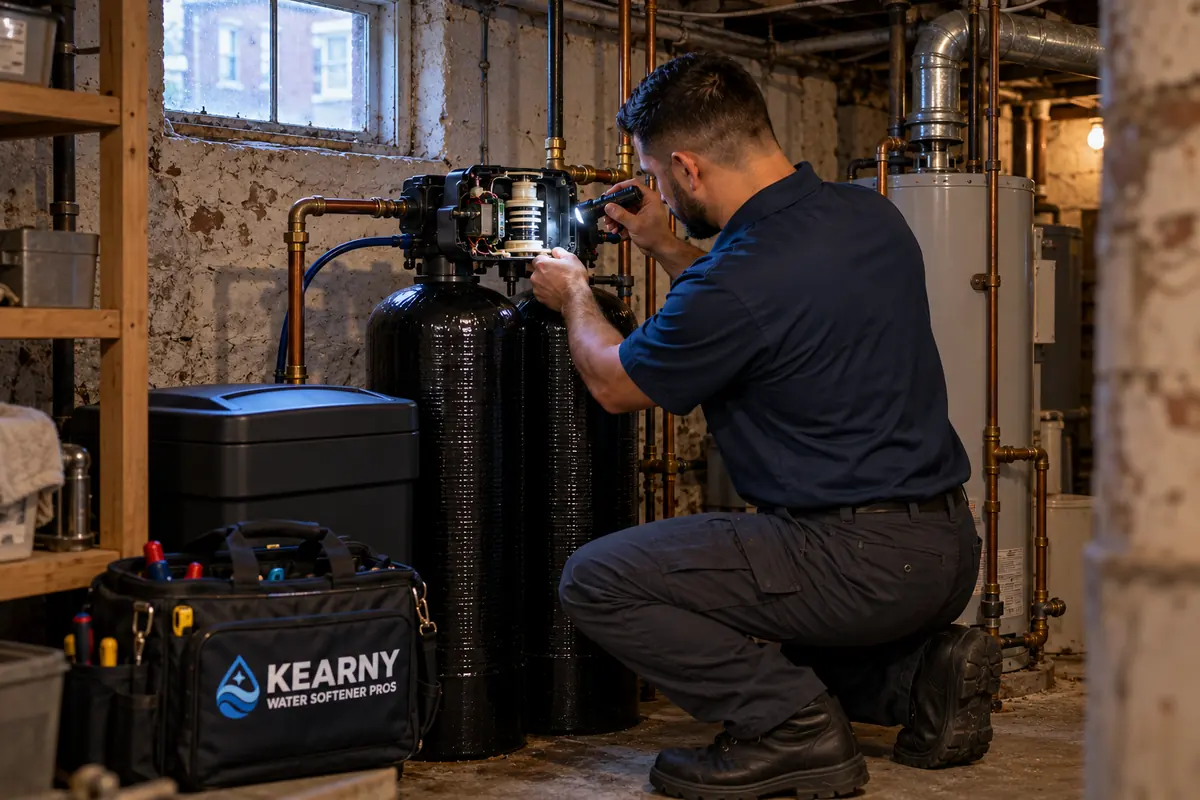
Routine repairs and maintenance prevent breakdowns and keep your water softener running smoothly after troubleshooting.
View service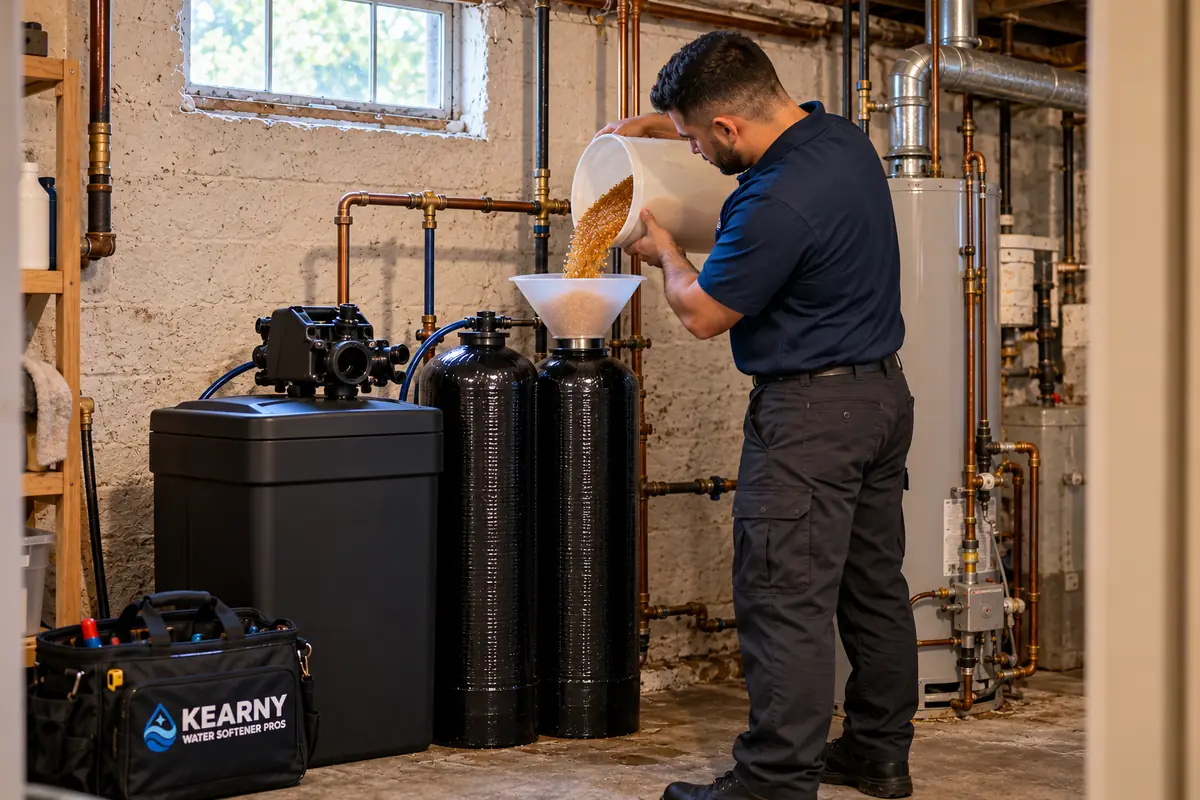
Replacing degraded ion exchange resin restores softening capacity, a common solution following diagnostic findings.
View service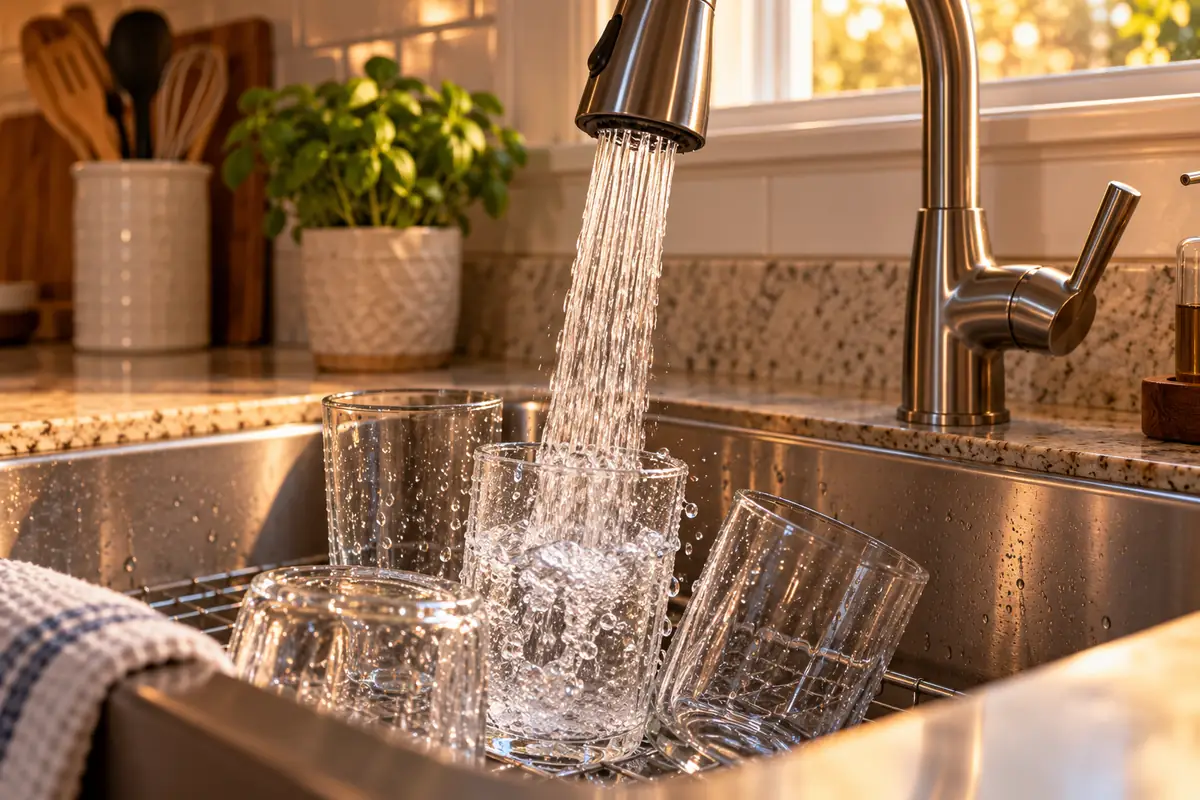
Call anytime for water softener installation or water treatment service. We are open 24 hours a day, 7 days a week, including weekends and holidays. Expect a fast answer and a clear next step.
A quick summary on the call helps us plan the right work for your Kearny home.